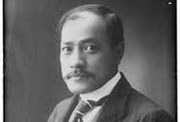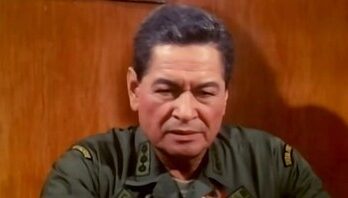

Ruben Ablaza is a name permanently etched into the annals of Philippine criminal history — the jeepney driver whose kidnapping and assault of young actress Annabelle Huggins in October 1962 became one of the most sensational and widely covered criminal cases of its era. His crimes shocked the nation, spawned two films, and left a lasting impact on both the victim and Philippine public consciousness.
Profile Details
| Full Name | Ruben Ablaza |
| Nationality | Filipino |
| Known For | Kidnapping and assault of actress Annabelle Huggins (1962) |
| Occupation | Jeepney Driver |
| Legal Status | Convicted of kidnapping and rape |
Early Life
Detailed biographical information about Ruben Ablaza’s early life — including his date of birth, birthplace, parents, and childhood background — is not widely documented in historical records. What is known is that he was a Filipino man who worked as a jeepney driver in Manila in the late 1950s and early 1960s. He reportedly met Annabelle Huggins — then a teenager who had dropped out of high school — while she worked at a billiard hall in 1958. Their paths crossing at this establishment would eventually lead to one of the most infamous criminal incidents in Philippine history.
The 1962 Kidnapping of Annabelle Huggins
At 5:00 PM on October 13, 1962, 19-year-old Annabelle Huggins — then beginning to make a name for herself in Philippine cinema — was kidnapped by two men who forced her into a taxi driven by Ruben Ablaza. What followed was a harrowing ordeal. Huggins later claimed that Ablaza beat her and subjected her to repeated assaults over the course of her captivity. The case quickly became headline news across the Philippines.
Ablaza and his two accomplices were arrested, tried, and found guilty of kidnapping and rape. The verdict confirmed Huggins’ account and sent Ablaza to prison. The case, coming at the height of Huggins’ budding film career, drew enormous public attention and became one of the defining true crime stories of 1960s Philippines.
In 1969, years after the conviction, Ablaza publicly claimed that he and Annabelle had been in a romantic relationship — a claim that Huggins disputed and that was widely regarded as an attempt to rewrite the narrative of the crime.
In Popular Culture
The shocking nature of the crime ensured that it quickly attracted the attention of the Philippine film industry:
The first cinematic treatment of the case was Ang Manananggol ni Ruben (1963), in which veteran actor Mario Montenegro portrayed Ablaza and Lolita Rodriguez played Annabelle Huggins. The film was produced just one year after the crime, when public interest was at its peak.
A second, more elaborate retelling came in 1995, when acclaimed director Carlo J. Caparas produced Annabelle Huggins Story: Ruben Ablaza Tragedy — Mea Culpa. This version starred Cesar Montano as Ruben Ablaza and Dawn Zulueta as Annabelle Huggins — two of the biggest stars of Philippine cinema at the time. The film presented a more nuanced, if still damning, portrait of the events of 1962.
Legacy
Ruben Ablaza’s name has become synonymous in Philippine history with one of the country’s most sensational kidnapping and assault cases. His victim, Annabelle Huggins, went on to star with Jack Nicholson in the Hollywood film Back Door to Hell (1964), and the case became a defining chapter in her extraordinary life story — one of survival, resilience, and cinematic achievement despite profound personal trauma.
The case also prompted broader conversations in Philippine society about the safety of women, the exploitation of vulnerable individuals, and the nature of consent and criminal accountability — conversations that remain relevant to this day.
Personal Life
Information about Ruben Ablaza’s personal life beyond his criminal case — including his family background, relationships, and post-imprisonment life — is not available in public records. His public identity is entirely defined by the 1962 crime and its legal and cultural aftermath.
Net Worth
No information is available regarding Ruben Ablaza’s net worth. He worked as a jeepney driver prior to his crime and subsequently spent years in prison. No financial records pertaining to him are publicly accessible.
Filmography (Films About His Case)
- Ang Manananggol ni Ruben (1963) — Mario Montenegro as Ablaza, Lolita Rodriguez as Annabelle Huggins
- Annabelle Huggins Story: Ruben Ablaza Tragedy — Mea Culpa (1995) — Directed by Carlo J. Caparas; Cesar Montano as Ablaza, Dawn Zulueta as Huggins
FAQs About Ruben Ablaza
Who is Ruben Ablaza?
Ruben Ablaza was a Filipino jeepney driver who was convicted of kidnapping and assaulting actress Annabelle Huggins in October 1962 — a case that became one of the most sensational criminal incidents in Philippine history.
What did Ruben Ablaza do?
On October 13, 1962, Ablaza and two accomplices kidnapped 19-year-old actress Annabelle Huggins, resulting in multiple counts of assault. He was convicted and imprisoned.
Were movies made about Ruben Ablaza?
Yes. Two films dramatized the case: Ang Manananggol ni Ruben (1963) and Annabelle Huggins Story: Ruben Ablaza Tragedy — Mea Culpa (1995), the latter directed by Carlo J. Caparas and starring Cesar Montano and Dawn Zulueta.
Who was Annabelle Huggins?
Annabelle Huggins (born 1943) was a Filipino actress who starred in several films in the 1960s, including the Hollywood film Back Door to Hell (1964) with Jack Nicholson. She became famous largely due to the 1962 kidnapping case involving Ablaza.
Conclusion
Ruben Ablaza’s name lives on in Philippine history not as a hero or achiever, but as the central figure of one of the country’s most disturbing criminal cases of the 20th century. His crime against Annabelle Huggins left an indelible scar on a young woman’s life and sparked lasting cultural conversations about justice, violence, and the vulnerability of women in Philippine society. The two films made about the case ensure that this dark chapter in Philippine history is not forgotten, even as its primary victim — Annabelle Huggins — is remembered with admiration for her courage and survival.